Looking for land that can sit quietly today and make more sense years from now? That is often the appeal of small-market acreage in Central Texas. If you are thinking beyond quick flips and focusing on flexibility, Oglesby offers a rural setting, regional access, and a practical path for future homesite or resale potential. Let’s dive in.
Oglesby offers small-market scarcity
Oglesby is a very small city in eastern Coryell County, with the Texas Demographic Center reporting 434 residents in the January 1, 2024 estimate. The Texas Almanac places it about 13 miles east of Gatesville. That matters because small places with limited land turnover often appeal to investors who want to hold acreage as a long-duration asset.
Coryell County adds to that rural context. The county had 83,093 residents in the 2020 Census across 1,052.25 square miles of land area, or about 79 people per square mile, according to the same Texas Demographic Center source. In a market like this, acreage is usually less about rapid lot absorption and more about preserving optionality over time.
Central Texas supports long-term value
Long-term land investing usually works best when you have both patience and a strong regional story. Oglesby benefits from its place within Central Texas, where rural land has already drawn sustained interest. According to the Texas A&M Real Estate Center, the Austin/Waco/Hill Country rural land region reached $13,171 per acre in the first quarter of 2023.
That figure does not mean Oglesby acreage trades at the same level. What it does show is that Central Texas rural land sits in a region where appreciation and long-horizon demand are already part of the broader market conversation. For you as an investor, that supports the case for holding land in a corridor with established interest rather than chasing purely speculative ground.
There is also a statewide growth tailwind. The Texas Demographic Center projections say Texas could reach 42.6 million residents by 2060. Population growth does not guarantee a fast exit, but over decades it can strengthen the appeal of land with future residential or mixed-use potential.
Nearby growth helps Oglesby acreage
Oglesby is small, but it is not cut off from larger demand centers. The U.S. Census Bureau QuickFacts for Bell County show a 2024 population estimate of 399,578, up 7.8% from 2020. The same source notes McLennan County reached 270,358, up 3.8% over that period.
Those nearby county gains matter because rural demand often expands outward over time. Buyers who want more space, recreational use, or future homesite potential often look beyond larger city centers. Oglesby sits within that broader Central Texas demand basin, which can widen the future buyer pool even if the local market stays small.
Homesite optionality strengthens the thesis
One of the most important reasons acreage appeals to long-term investors is optionality. You may buy a tract for simple land banking today, but its future value can improve if it also works as a homesite, a split tract, or a small subdivision candidate. That kind of flexibility can matter more than short-term cash flow.
Coryell County data supports that practical case. The Census QuickFacts profile for Coryell County shows a 58.6% owner-occupied housing rate, a median owner-occupied value of $195,300, 90.6% of households with broadband, a median household income of $71,301, and a mean travel time to work of 24.4 minutes. Those numbers point to a county where rural residential living is already part of the landscape.
For you, that means Oglesby acreage can be more than a passive hold. It may also fit future residential use if the tract, access, utilities, and county requirements line up. That is a key difference between land that simply exists on paper and land that stays marketable to a wider set of buyers.
County rules create a real path
Acreage becomes more investable when there is a defined process for future improvement or division. In Coryell County, the development office handles subdivision matters along with fence row clearing permits, mailbox permits, culvert and driveway permits, and utility-excavation permits. That gives long-term holders a workable framework for making light, strategic improvements.
The county also makes clear that subdivision approval is case by case and focuses on adequate streets, storm drainage, water, and sewage facilities. Applications rely on plats and surveys, and plat approval does not automatically mean county acceptance of roads for public maintenance. For investors, that level of structure is helpful because it shows where the real work is and what future buyers will want documented.
If your long-term plan includes a homesite split or a more formal resale package, the Coryell County subdivision regulations are especially relevant. They emphasize registered surveyors, drainage easements, road standards, and water and sewage standards. In plain terms, good paperwork and clear site planning can reduce friction later.
Recreation widens the buyer pool
Not every future buyer is looking for full-time occupancy right away. Some want weekend land, a recreational retreat, or a property they can hold for family use over time. That is where Oglesby’s regional recreation access adds another layer of appeal.
Mother Neff State Park offers about 3.5 miles of trails, camping, picnic areas, and geocaching, according to Texas Parks and Wildlife. TPWD also notes its day-trip relationship to Waco, Temple, and Gatesville. That kind of amenity helps support the idea that nearby acreage can appeal to both practical and lifestyle-driven buyers.
Water access also matters in Central Texas. The Belton Lake access information from TPWD highlights boat ramps, bank fishing, picnicking, camping, marinas, and annual passes. The research report also notes that Lake Waco offers multiple public boat ramps, camping, and day-use options.
For a long-term investor, recreation is not just a nice extra. It can expand the resale audience beyond local full-time residents to include weekend buyers, legacy-hold buyers, and people looking for flexible recreational land near larger population centers.
Light improvements can protect flexibility
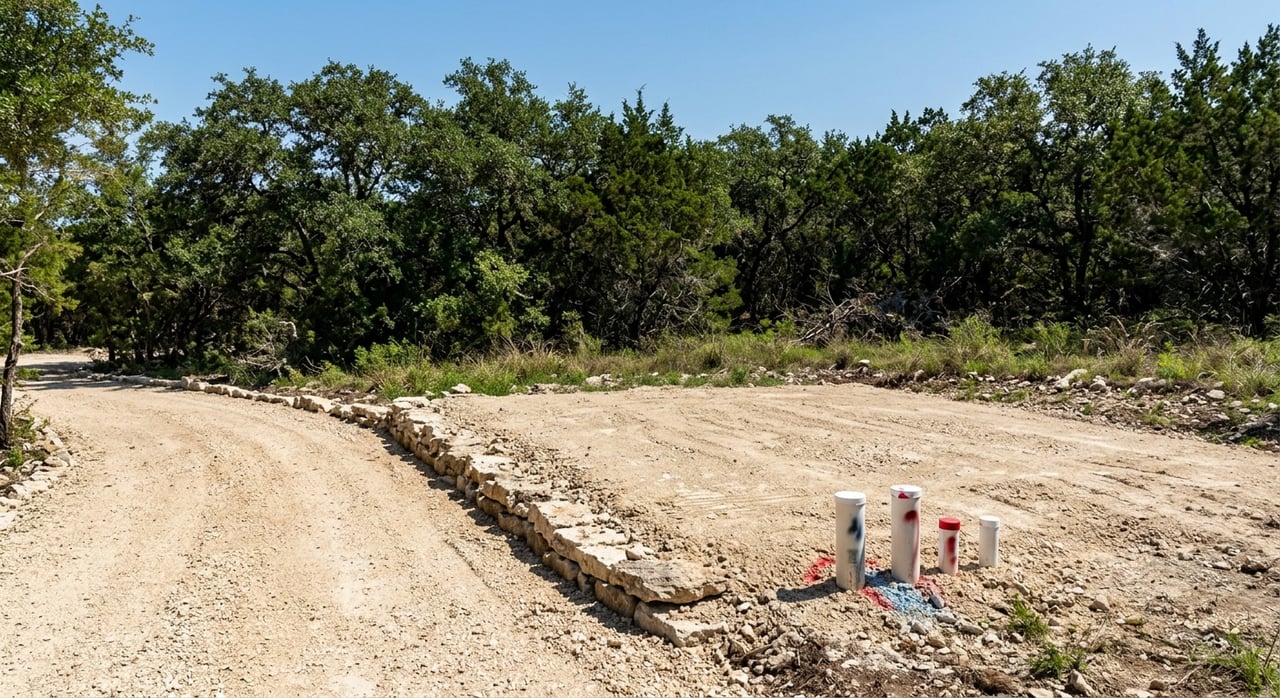
When you hold acreage for the long run, the smartest move is often to improve usability without overbuilding the tract. In Coryell County, that can mean permit-backed access work, culverts, fence row clearing, mailbox installation, or utility excavation where appropriate. These are the kinds of improvements the county specifically addresses through its permitting process.
Why does that matter? Because future buyers often pay more attention to access, drainage, and ease of use than to cosmetic extras. A tract that is easier to enter, inspect, understand, and finance is usually easier to market later.
This is where a disciplined holding strategy stands out. Instead of forcing a project too early, you keep the land clean, documented, and adaptable. That gives you more room to respond when market timing improves or when a buyer wants a tract that is closer to ready.
Documentation matters as much as dirt work
Many land investors focus on acreage size and location first. Those are important, but paperwork often determines how smooth your eventual resale will be. Surveys, plats, drainage details, access information, and utility documentation can all help future buyers move with more confidence.
That is especially true if your exit could involve a homesite release or subdivision concept. County reviewers, lenders, engineers, and serious buyers will all want clarity. The more complete your documentation, the easier it is to explain what the property is, what it can become, and what steps remain.
For that reason, Oglesby acreage often fits investors who understand that land value is not only about waiting. It is also about preserving clean optionality through good records, realistic planning, and practical site readiness.
Tax posture affects carrying costs
Carrying costs can shape long-term returns just as much as your eventual sale price. The Coryell Central Appraisal District says land used for agriculture, wildlife management, or timber production may qualify for agricultural appraisal, which can reduce appraised value relative to open-market value. The district also notes that applications are due by April 30.
Coryell CAD further states that it generally repeats the appraisal process at least once every three years, though active markets can lead to more frequent reappraisals. For investors, that makes tax planning part of the holding strategy. If you are evaluating Oglesby acreage, carrying costs deserve the same attention as access, topography, and future split potential.
Why patient investors keep watching Oglesby
The strongest case for Oglesby acreage is not built on hype. It is built on a practical mix of small-town scarcity, Central Texas growth patterns, rural residential optionality, recreation access, and a county process that gives future improvements a clear framework. That combination can make the area appealing if your time horizon is measured in years, not months.
If you are exploring acreage with long-term upside, the key is to look beyond the headline price per acre. You want to understand what gives the property flexibility later, what documentation supports future resale, and what simple improvements can make the tract easier to hold and market. If you want a grounded review of land potential in Central Texas, Land Homes Texas can help you think through feasibility, site readiness, and the steps that support long-term value.
FAQs
Why does Oglesby acreage appeal to long-term land investors?
- Oglesby acreage appeals to long-term investors because it combines a small-market rural setting, nearby Central Texas population growth, future homesite potential, and regional recreation access that can broaden the future buyer pool.
Is Oglesby, Texas isolated from larger demand centers?
- No. Oglesby is small, but it sits within reach of broader Central Texas demand influenced by growth in Bell County and McLennan County, which can support future spillover interest in rural land.
Can Coryell County acreage support future homesites?
- Coryell County data suggests rural residential use is established in the area, and the county has a formal permitting and subdivision review process that can support future homesite planning if a tract meets requirements.
What improvements make sense for Oglesby land held long term?
- Light improvements such as driveway or culvert work, fence row clearing, mailbox permits, and utility-excavation planning can improve access and usability without reducing future flexibility.
How do property taxes affect long-term land holding in Coryell County?
- Carrying costs matter, and Coryell CAD says qualifying land used for agriculture, wildlife management, or timber production may receive agricultural appraisal treatment, which can reduce appraised value compared with open-market value.
Why is recreation important when evaluating Oglesby acreage?
- Recreation helps expand demand by appealing to weekend, recreational, and legacy buyers, especially with nearby draws like Mother Neff State Park and regional lake access around Belton Lake and Lake Waco.