Thinking about trading city streets for sunrise over live oaks and big Texas skies? If you’re drawn to privacy, room to roam, and the steady rhythm of land care, acreage near Bertram in Burnet County can be a great fit. You also want the unvarnished truth about daily chores, utilities, costs, and local realities before you buy. This guide walks you through life on a small ranch or larger tract, key due diligence steps, and a practical checklist you can use on your next showing. Let’s dive in.
Hill Country setting near Bertram
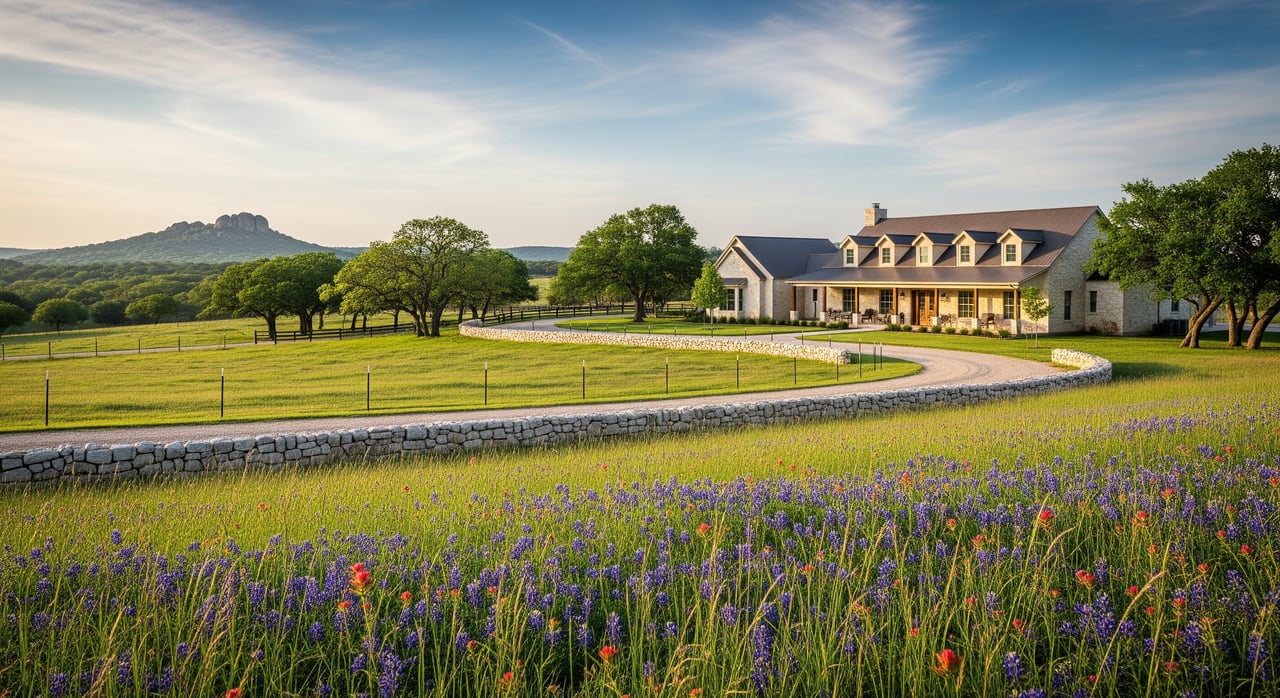
Bertram sits in the Texas Hill Country, where rolling limestone hills, caliche patches, and mixed live oak and juniper create a mosaic of shaded canyons and open pasture. Summers run hot and humid, while winters are generally mild. Periodic droughts and heavy rain events are part of the pattern in Central Texas, so water planning and erosion control matter.
Many owners use acreage for hobby ranching, small cattle or horses, hunting and wildlife enjoyment, or simply a homesite with more privacy. Demand from Austin-area buyers has stayed elevated in recent years, especially for tracts with utilities and build-ready sites. Raw land is widely available, but improving access, water, and brush takes time and planning.
Daily life on acreage
Chores and land care
Owning acreage often means steady maintenance. You may repair fences, gates, and water troughs, monitor your septic system, and manage brush to keep access clear and reduce wildfire risk. On a few acres, these tasks can be part-time. On larger tracts, expect near-daily work or plan for hired help.
Livestock and water features
If you keep horses or cattle, plan on morning and evening feed checks, fencing checks, and periodic vet or farrier visits. Pasture rotation improves forage and helps protect your soil. Stock tanks and ponds need occasional maintenance to address siltation, leaks, or aeration. Water levels will rise and fall with the seasons and drought cycles.
Privacy, access, and time in the truck
Privacy and dark skies
You’ll likely enjoy more space from neighbors and darker nights for star-gazing. The level of seclusion depends on acreage size, topography, and nearby development. Walk the boundaries to confirm sightlines and how close neighboring structures are.
Roads and weather
Many tracts sit off county roads that can transition from paved to gravel. Heavy rains can impact low-water crossings or unpaved sections, so note any erosion-prone stretches and how a delivery truck or trailer would navigate them. If a private road serves your tract, ask about road maintenance agreements and shared responsibilities.
Errands and commuting
Expect to drive. You’ll likely run to Burnet, Marble Falls, or Lampasas for groceries and hardware, with Austin as the go-to metro for broader services. Many owners batch errands and deliveries to minimize trips.
Utilities and connectivity reality
Water: wells and rural systems
Most acreage relies on a private well, though some subdivisions offer rural water systems. Well yields can vary by location and depth. Ask for the well log, pump test, and yield history, and plan for conservation during dry spells. For broader context on drought and groundwater in Texas, review the Texas Water Development Board’s resources on drought conditions and planning before you buy.
Septic systems
Septic is standard in unincorporated areas. Confirm the system type, permit status, and last inspection or pumping date with the seller. For local permit guidance, consult Burnet County’s official site, and verify any setbacks or site standards that could affect your building plans.
Power, internet, and cell
Electric service typically comes from a regional provider or cooperative. Long service runs can increase cost, so note pole locations and distances to proposed building sites. Internet and cell coverage can be spotty on rural tracts. Check service at your showing and explore fixed wireless or satellite options. You can also check availability through the FCC National Broadband Map.
Practical rules and paperwork
Surveys, access, and easements
Request a recent, signed survey to confirm boundaries, easements, and any shared drives or rights of way. If a private road serves the property, read the road maintenance agreement. Fence lines do not always align with the surveyed boundary, so verify before closing.
Deed restrictions and HOAs
Many rural subdivisions are lightly restricted, while others add architectural or land-use covenants. Ask for restrictive covenants early, especially if you plan to build, keep livestock, or operate a home-based business. Restrictions can shape fencing, structures, and allowed uses.
Permits and county rules
In unincorporated Burnet County, county departments handle septic permits and may require certain site development standards. Fire-safe access and building features may be encouraged by the county or your insurer. Confirm requirements for driveways, gates, and emergency vehicle access during due diligence.
Water rights and local groundwater rules
Groundwater use is locally regulated by Groundwater Conservation Districts. Rules, permits, and production limits can vary by area and well type. Ask your agent which district applies and contact them for well rules before you plan irrigation or major livestock expansion.
Taxes and ag/open-space appraisal
Texas offers an agricultural or open-space appraisal that can reduce property taxes when land is used for qualifying agricultural purposes. Requirements, stocking rates, and documentation vary by county. Start with the Texas Comptroller’s overview of property tax and open-space appraisal and then confirm specific Burnet County guidelines and the parcel’s tax history.
Insurance and risk planning
Wildfire, wind, and hail are important coverage factors in Central Texas. Review policies that address rural risks like outbuildings, livestock, fencing, and equipment. For defensible space and brush management best practices, consult the Texas A&M Forest Service. Proactive fuel reduction and clear access routes can also support insurability.
Wildlife, recreation, and Hill Country perks
You will likely see white-tailed deer, turkey, and native songbirds. Feral hogs are common and can damage pastures and tanks, so ask about control methods. For species and landowner guidance, explore Texas Parks & Wildlife.
Beyond wildlife viewing, you can enjoy horseback riding, hiking, ATVs on private trails, and seasonal wildflowers. Nearby lakes and state parks add boating, fishing, and camping options depending on your location. Many owners manage a mix of habitat and pasture to balance recreation with grazing.
Budgeting: ongoing costs and upfront investments
Common ongoing costs include property taxes, insurance, electricity, septic pumping, well maintenance, fencing and gate repairs, brush control, and hay or pasture improvements. Connectivity costs can include fixed wireless or satellite service. Upfront items often include survey updates, well and septic inspections, road or driveway improvements, and upgraded gates or culverts. A clear budget helps you decide between a raw tract and a more turnkey parcel.
Showing checklist for Bertram acreage
Use this list to make the most of your visit:
- Walk fence lines where possible. Note gaps, sagging, and gate conditions.
- Inspect access roads for drainage issues, flooding risks, or tight turns for trailers.
- Observe topography for building sites, drainage paths, and sun exposure.
- Check for signs of well or septic problems, such as wet spots near drainfields.
- Test cell coverage onsite and ask about internet options and providers.
- Note proximity to neighbors, nearby structures, and nighttime light levels.
- Request recent tax and utility bills and any maintenance records for wells, septic, and fencing.
Questions to ask the seller or listing agent
- Is there a current, signed survey, and do fences align with the boundary lines?
- Is there a well? Request the well log, pump depth, static level, and yield or test results.
- When was the septic system installed, last pumped, and inspected? Are permits current?
- What utilities serve the property, and are there long line runs you need to maintain?
- Are there easements, road maintenance agreements, or shared drive obligations?
- Has the property carried an agricultural or open-space appraisal? Ask for documentation.
- Which volunteer fire department covers the property, and what are typical response times?
- Are there deed restrictions, HOA covenants, or special district rules that affect use?
- What wildlife or nuisance issues, such as feral hogs, have been observed?
Work with an integrated local partner
The right partner helps you move from vision to plan. That includes verifying surveys and access, evaluating well and septic systems, mapping buildable sites, and confirming taxes and entitlements before you commit. With in-house civil engineering, platting, and project management, Land Homes Texas can package feasibility, entitlement coordination, and lender-ready documentation so your acreage purchase is confident and timeline-focused.
If you’re exploring acreage near Bertram, let’s turn your due diligence into a clear path to ownership. Request a Feasibility Review with Land Homes Texas.
FAQs
What should I know about water wells near Bertram?
- Ask for the well log, recent pump test, and yield history, and review broader drought context through the Texas Water Development Board.
How do agricultural or open-space tax appraisals work in Burnet County?
- Texas allows reduced valuation for qualifying agricultural use; start with the Texas Comptroller’s property tax overview and confirm specifics with Burnet County.
Is rural internet reliable on acreage near Bertram?
- Coverage varies by location; check onsite and use the FCC National Broadband Map to compare fixed wireless and satellite options.
What wildlife and pests are common on Hill Country tracts?
- Expect deer, turkey, and songbirds, plus feral hogs and coyotes; see Texas Parks & Wildlife for landowner guidance and regulations.
Do I need county permits to build outside city limits?
- Yes, plan for septic permits and any applicable county development standards; confirm details with Burnet County.