If a Georgetown land tract looks like it has road access, it is easy to assume you are in the clear. But visible access and legal, buildable access are not always the same thing. If you are buying, selling, or planning to divide land, understanding road access and easements can help you avoid delays, redesigns, and expensive surprises. Let’s dive in.
Why road access matters first
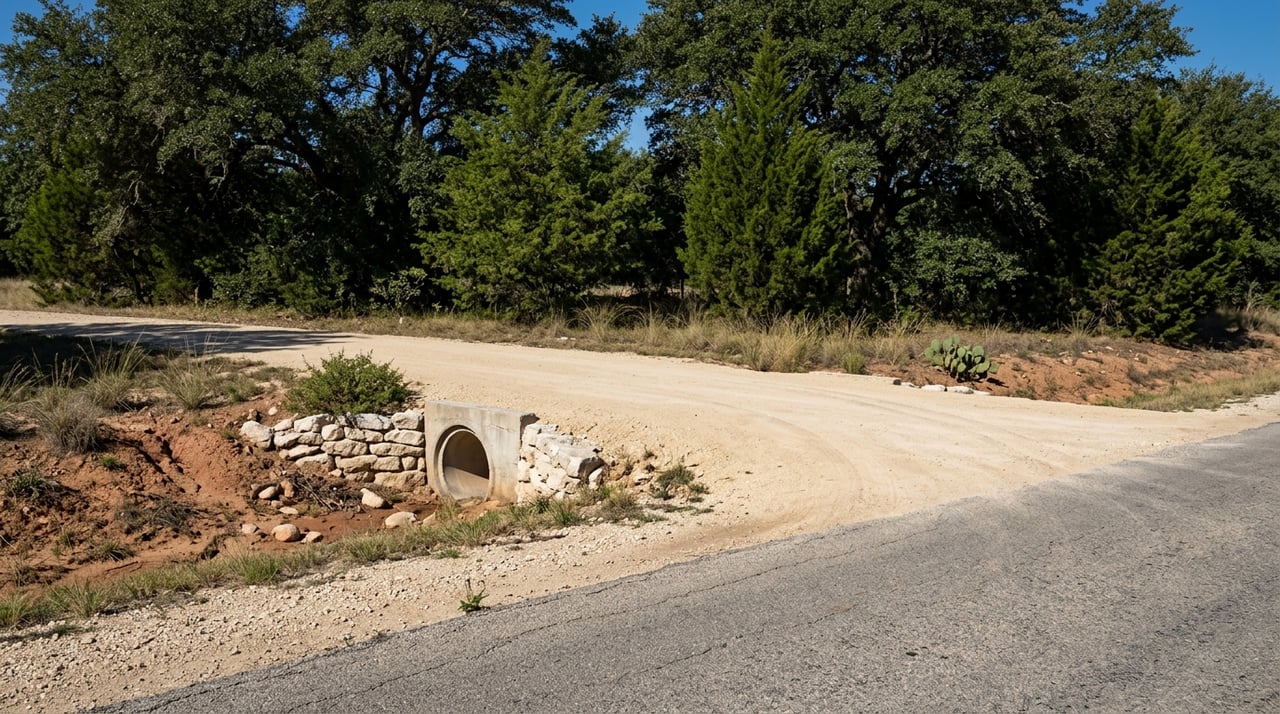
For Georgetown land, road access is one of the first issues to verify because it affects whether you can build, where you can place a driveway, and how a tract may be subdivided. The biggest risk is assuming that a visible path, gate, or gravel drive automatically gives you legal access.
Local rules make a clear distinction between frontage, access rights, and the type of road serving the property. As the Georgetown Unified Development Code explains, public and private streets are treated differently, and frontage on a public roadway can still matter even when private access exists.
Start with jurisdiction
Before you review a driveway, easement, or plat, you need to know which agency has authority over the tract. In the Georgetown area, road-access review can fall under the City of Georgetown, the city’s ETJ, Williamson County, or TxDOT, depending on where the property sits and which roads it touches.
Georgetown’s platting and development review applies within the city and ETJ, while Williamson County Development Services and Drainage oversees county subdivision regulations in county jurisdiction. If the tract abuts a state highway, TxDOT may control driveway access permitting unless that authority has been transferred.
Access, frontage, and ownership are different
One of the most common points of confusion is treating access, frontage, and ownership as if they mean the same thing. They do not. A tract can touch a road but still have access limits, or it can have an easement without owning the land underneath that access route.
Georgetown defines a public street as an improved roadway in a deeded and accepted public right-of-way that is maintained by a public entity. The same code defines a private street as one with no public jurisdiction or maintenance responsibility, and it states that a private street may serve as the main access to a lot only if the lot still meets minimum required frontage on a public roadway.
What an easement really means
An easement is not full ownership of someone else’s land. It is a limited right to use part of that land for a specific purpose, such as ingress and egress, utilities, or shared driveway access.
According to TexasLawHelp’s explanation of real property rights, an easement gives you a limited-use right rather than full control. The Texas State Law Library’s easement guide also notes that landlocked property owners generally need an easement from a neighbor or through the court system to gain legal access, and written easements are often recorded in county property records.
Right-of-way is not the same as an easement
This distinction matters in real-world due diligence. A right-of-way, road-widening easement, drainage easement, or utility easement can all affect where you place improvements, even if the area looks usable on the ground.
Williamson County’s current subdivision regulations explain that improvements placed in a right-of-way or road-widening easement may be at risk and may need to be removed if future public improvements require it. That means a driveway, fence, culvert, or utility line can create a conflict even when the site appears straightforward.
How Williamson County handles road access
For tracts under county review, Williamson County strongly favors direct connection to the public road system. The county’s 2025 subdivision regulations state that new roadways that do not connect to an existing public road will not be approved.
The county may also require an internal road system to reduce the number of driveways and cross streets connecting to county or other public roads. For lots along arterial roads, the county may require access from an internal platted road instead, with final-plat restrictions that direct driveways away from the arterial.
Shared driveways are allowed, but only in limited cases
Many buyers assume a shared driveway is an easy fix for a land tract with limited frontage. In Williamson County, shared access is possible, but it must be documented and approved correctly.
Under the county rules, shared access driveways are limited to no more than three residences. They also require a shared access easement dedicated by plat or separate instrument, and the drive must be constructed, inspected, and approved before final plat submittal. The county’s driveway policy adds that the easement must be filed with the County Clerk before final permit approval.
Driveway permits are part of due diligence
Driveway permitting should never be treated as something to handle after closing. If access depends on a new or modified driveway, permitting is a core part of determining whether the tract works for your plan.
Williamson County Road and Bridge requires a driveway permit to construct a proposed driveway or modify an existing driveway connecting to a county-maintained road. If the property abuts a state highway, TxDOT requires an access driveway permit for new or modified access.
Georgetown’s development materials also show that driveway review can require detailed supporting documents, including a property survey, driveway approach plan, traffic control plan, and in some cases a driveway traffic impact analysis. In other words, access is a technical issue, not just a map question.
Frontage can affect buildability
Frontage standards can shape whether a tract is buildable today and whether it can be divided later. This is especially important for buyers who want to create multiple homesites or preserve future subdivision options.
Williamson County’s lot requirements set a minimum lot width of 30 feet measured 25 feet from the front property line, and a lot that could potentially be further subdivided must be at least 50 feet wide. Georgetown’s development rules also require new lots or tracts to meet minimum lot width and street frontage standards along a public street.
Private roads shift long-term responsibility
Private roads can work in some situations, but they come with added responsibility. A private road is not publicly maintained, and that changes how future maintenance and access obligations are handled.
Williamson County’s private subdivision regulations require private roads to meet county road standards, identify the subdivision as private on the plat, and make clear that the county will never accept or maintain those roads. An HOA or similar entity must maintain them in perpetuity to preserve emergency access.
Documents to review before you buy or divide land
If you are evaluating Georgetown land, access review should include more than the deed. Several records work together to show whether legal access exists and whether the current access pattern supports your goals.
Here are the most important items to review early:
- Survey: Confirms boundaries, frontage, and the location of apparent easements or encroachments.
- Plat or concept plan: Shows lot lines, street frontage, right-of-way widths, and proposed or existing access points.
- Recorded easements: Confirms whether ingress, egress, utility, or shared-access rights are actually documented.
- Permit file: Helps verify whether a driveway was approved, built, and inspected.
- Easement-encumbrance information: Can reveal conflicts with public right-of-way, drainage, or utility corridors.
The City of Georgetown Development Manual specifically calls for survey-quality information, right-of-way frontage details, utility information, and easement disclosures during plat review. Williamson County likewise requires plats to show proposed and existing easements, utilities, and road information.
Watch for road widening and utility conflicts
A tract may have legal access and still face design limits near the frontage. Road widening areas, drainage easements, and utility corridors can all affect where a driveway or entrance improvements can go.
Williamson County allows road widening and drainage rights to be dedicated as either fee interest or right-of-way easements, and the owner may retain maintenance responsibility until improvements are built. That is why it is important to review not only what exists today, but also what has already been reserved for future public use.
When to involve professionals
Some access issues are simple. Others can change project cost, timing, and even whether the tract works at all. Bringing in the right professionals early can reduce risk and help you avoid redesigning the site later.
When to call a surveyor
A surveyor is especially useful when the tract boundary, frontage, or easement location is unclear. This is also important when the deed description and the physical improvements on the ground do not seem to match.
Georgetown’s platting process expects survey-grade information early, so this step often supports both buying decisions and development planning.
When to call a civil engineer
A civil engineer should usually be involved before you finalize a concept plan if the tract may need a new driveway, culvert, internal road, drainage structure, or a multi-lot layout. County standards on connectivity, access spacing, road design, and shared driveways can materially affect layout and cost.
This is one area where technical review adds real value. A concept that works on paper may not work under current county or city standards.
When to call a real estate attorney
An attorney becomes especially important when the parcel is landlocked, when access depends on a neighbor’s cooperation, or when an easement needs to be negotiated or drafted. Informal permission is not the same as legal access.
The Texas State Law Library makes this point clearly for landlocked property. If access is critical to the deal, recorded rights and clear easement language matter.
Questions to ask before you move forward
A good access review starts with a short list of practical questions. These questions can help you identify whether the tract is ready for purchase, development, or subdivision.
Ask:
- What is the legal access route to the property?
- Is access from a public street, a private street, or a recorded easement?
- Who owns and maintains the roadway?
- Does the tract meet frontage and lot-width requirements?
- Are there driveway-spacing or arterial-road restrictions?
- Will subdivision require an internal road system?
- Are there road-widening, utility, or drainage easements where the driveway is planned?
- Is a county or TxDOT driveway permit required?
Why this matters for Georgetown buyers and sellers
In Georgetown and the surrounding Williamson County area, access questions can shape both value and timing. For buyers, they affect whether the tract supports your intended use. For sellers, they can influence marketability, buyer confidence, and how cleanly a transaction moves toward closing.
That is why road access and easement review should happen early, before design assumptions harden and before anyone treats a tract as fully buildable. If you want a clearer picture of frontage, driveway constraints, platting needs, or subdivision potential, Land Homes Texas can help you evaluate the path forward with a practical, project-focused approach.
FAQs
What does legal road access mean for Georgetown land?
- Legal road access for Georgetown land means you have a documented and lawful way to reach the property, whether through public road frontage, a private street that complies with local rules, or a recorded easement.
What is the difference between an easement and owning the access road?
- An easement gives you a limited right to use land for a specific purpose, while ownership of the access road means you hold title to that land and may still be subject to recorded restrictions or maintenance obligations.
Do Williamson County shared driveways work for any number of homes?
- No. Williamson County limits shared access driveways to no more than three residences and requires a recorded shared access easement plus construction and inspection before final approval.
Does Georgetown land always need public road frontage?
- Georgetown’s UDC says a private street may be the principal means of access only if the lot still meets the minimum required frontage on a public roadway, so frontage can remain a key requirement.
When is a driveway permit required for Georgetown-area land?
- A driveway permit is required when constructing or modifying access to a county-maintained road in Williamson County, and TxDOT requires permits for access to state highways.
Why should Georgetown land buyers review plats and surveys early?
- Plats and surveys help confirm frontage, boundary lines, right-of-way, easements, and possible conflicts with drainage, utility, or road-widening areas before you buy or subdivide the property.