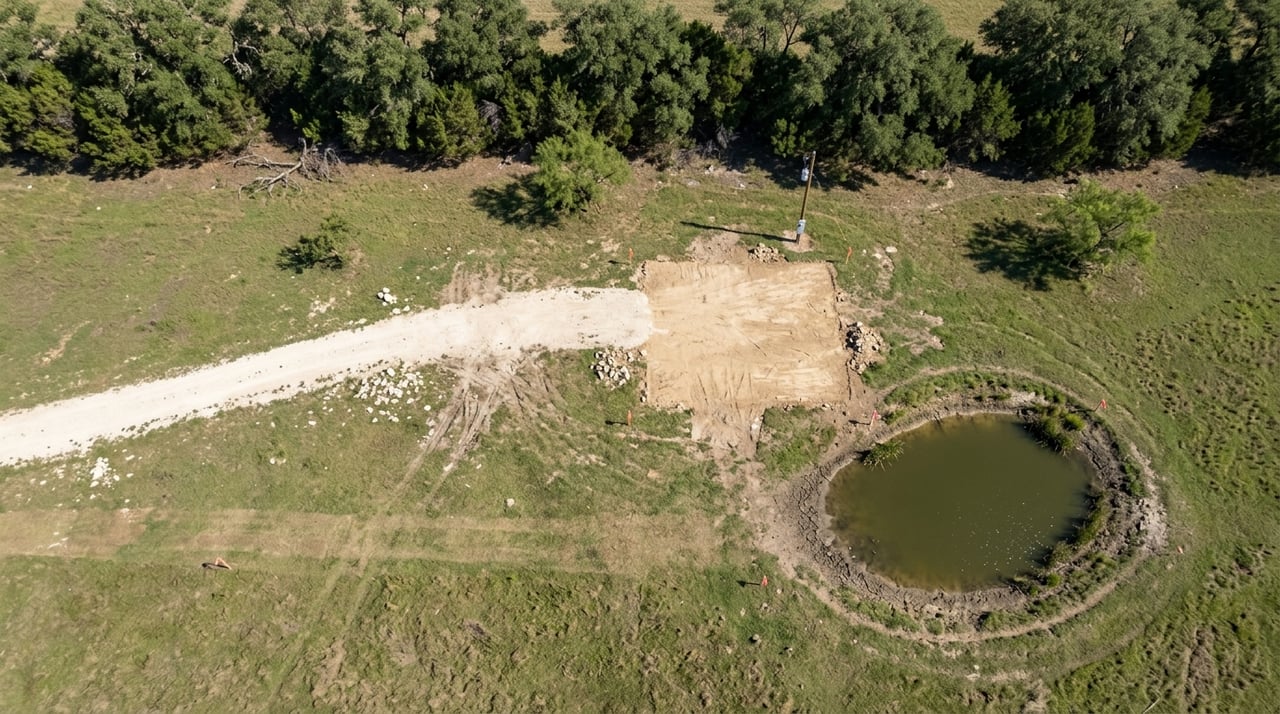
Wondering if Bertram land is still a simple acreage play? It is not. If you are shopping for land in and around Bertram, you are stepping into a market where tract size still matters, but buildability, utility access, and future use matter just as much. This guide will help you understand what is changing, what buyers should watch closely, and how to evaluate land with more confidence. Let’s dive in.
Bertram Is Feeling Regional Growth
Bertram may be a small market, but it sits in a part of Central Texas that is seeing real population growth. Burnet County’s July 1, 2024 Census estimate reached 55,722, up from 49,130 in 2020, which is about 13.4% growth. Nearby Williamson County and Travis County have also added residents, which adds pressure across the broader Austin exurban corridor.
For you as a buyer, that matters because Bertram is not moving in isolation. Demand is being shaped by local households, lifestyle buyers looking for more space, and spillover from larger nearby markets. That combination tends to keep attention on land that offers flexibility and a clear path to future use.
Smaller Tracts Are More Visible
One of the clearest shifts in the Bertram land market is the visibility of smaller and mid-sized tracts. Current public listings show a wide range of options, but many fall into homesite and ranchette sizes rather than only large legacy ranches. You can see examples from around 1.6 to 6.2 acres, 9 to 13.6 acres, and 20 to 26 acres, alongside a smaller number of much larger offerings.
That pattern fits broader regional data. Texas A&M’s Texas Real Estate Research Center reported that in the Hill Country region, small tracts reached $17,529 per acre in 4Q2025, up 7.7% year over year. TRERC also notes that small tracts have made up 55% to 60% of statewide annual sales over the last decade.
For buyers, the takeaway is simple. Bertram is increasingly a market where smaller acreage can command strong attention, especially when the tract is usable, accessible, and easier to improve.
Price Per Acre Is Only Part of the Story
It is easy to focus on acreage and asking price, but that alone will not tell you whether a property is a strong fit. In Bertram, two parcels with similar acre counts can have very different value depending on access, survey status, utility options, floodplain conditions, and whether the land is already platted or may need additional county review.
This is one reason the market feels more nuanced today. The best-positioned parcels are often not just the biggest ones. They are the ones where the path to building, holding, or future subdivision is more straightforward.
Buyer Goals Are Splitting Into Clear Groups
The current market points to three main buyer tracks in Bertram. Each group tends to look at land a little differently.
Owner-Builders Want Usable Homesites
If you want to build a home and enjoy some space, you are likely looking at roughly 1 to 10 acres. These buyers often want privacy, a manageable amount of land, and a tract that does not create unnecessary surprises before construction starts.
In this segment, practical details can outweigh raw size. A smaller tract with better access and clearer utility planning may be more appealing than a larger tract with more unknowns.
Hobby Ranch Buyers Need Flexibility
Buyers looking at roughly 10 to 30 acres often want more than a homesite. They may be thinking about animals, recreational use, a weekend place, or a future home with room to spread out.
For this group, the land often needs to serve more than one purpose. The right property may need to work today as a lifestyle purchase and still hold future value if your plans change later.
Investors and Developers Watch the Upside
Larger tracts, often 30 acres and up, tend to attract buyers thinking about long-term appreciation, future subdivision, or development potential. In Bertram, listing language on some properties already points to this shift, with terms like development opportunity, unrestricted tract, and future home site appearing in current inventory.
That does not mean every larger tract is ready for immediate action. It does mean buyers in this segment should pay close attention to entitlement steps, infrastructure realities, and how long a project timeline could actually take.
Development Demand Is Showing Up in Listings
Another sign of change is how some Bertram-area properties are being marketed. Current listings include subdivision-style lots, future home sites, ranchettes with lake access, and tracts framed around development potential. That kind of language suggests a market where more buyers are thinking beyond simple land ownership.
If you are considering a parcel for future flexibility, this trend matters. A tract may have value not only for what you can do with it today, but also for how it could be positioned later through platting or subdivision, depending on location and county or city requirements.
City and County Parcels Can Be Very Different
A major shift in buyer behavior is that more people are looking past the sales sheet and asking what it will actually take to use the land. In Bertram, that starts with knowing whether a property sits inside city limits or in the county.
Inside the City of Bertram, utility and redevelopment signals are more visible. The city water department publishes service information for properties inside and outside city limits, and the city has tools such as its Economic Development Corporation and Municipal Development District that support infrastructure, community facilities, and business development.
Outside the city, county rules often shape the timeline more directly. Burnet County’s subdivision regulations require a site review and development meeting, a latest survey, and for owners who are subdividing, a subdivision application plus a conceptual drawing. The county also recommends using a registered professional land surveyor familiar with state and local platting laws.
For you, the practical point is that two nearby properties may look similar online while having very different paths to construction or future division. That difference can affect timing, cost, and overall risk.
Utilities and Feasibility Are Driving Value
In a changing land market, utility and feasibility work can separate a good deal from a frustrating one. Burnet County regulates on-site sewage facilities and floodplain development, and its subdivision regulations include groundwater availability requirements. Those are not minor details. They can shape whether your plans are realistic and how quickly you can move forward.
Addressing is another example of how details matter. Burnet County’s 9-1-1 office does not assign addresses to vacant lots or undeveloped properties. New addresses off county roads or TxDOT roads require driveway approval, which is important if you are trying to map out a future build timeline.
This is why buyers should think in terms of feasibility, not just frontage or price. The smoother the path for water, septic, access, and plat status, the stronger the parcel usually looks.
Special Appraisal Options Matter for Long-Term Holds
Not every buyer wants to build right away. If you are buying land for a longer hold, productive use can become part of your strategy.
Burnet CAD provides special appraisal resources for agricultural use and wildlife management use. For some buyers, that makes certain tracts more attractive as long-term holdings that remain in active use while future plans develop. If that is part of your thinking, it is worth evaluating early rather than treating it as an afterthought.
What Buyers Should Look For Now
As Bertram evolves, it helps to evaluate land through a more practical lens. Before you get attached to the view or the acreage count, focus on how the property supports your actual goal.
Here are a few questions to ask:
- Is the tract sized for your intended use today and tomorrow?
- Is there a current survey, and does the parcel appear to be platted as needed?
- Will your plans depend on septic, groundwater, or other county-level approvals?
- Is the property inside Bertram city limits or under county-only oversight?
- If future subdivision matters, what early steps would likely be required?
- Are access and driveway approvals likely to affect your timeline?
These questions can help you compare properties more clearly. They also help you avoid treating every acre as equal when the market is clearly moving in a more segmented direction.
Why Bertram Still Stands Out
Even with more competition and more complexity, Bertram remains appealing because it offers a mix that many buyers still want. You can find homesite-scale parcels, hobby-ranch acreage, and larger investment tracts within a county that is growing and within reach of the wider Austin exurban corridor.
That combination gives the market range. It also means buyers who do their homework can still find opportunities that match their budget, timeline, and long-term plans.
The Smart Way to Buy in Bertram
The Bertram land market is evolving from a simple acreage search into a more informed feasibility search. Smaller tracts are more visible, development-oriented inventory is easier to spot, and the biggest value differences often come from utility and entitlement realities rather than raw size alone.
If you are buying in Bertram, the smartest move is to match the land to your intended use and understand the path forward before you commit. When you evaluate acreage, access, utilities, platting, and future flexibility together, you put yourself in a much stronger position to buy well.
If you want a clearer read on a Bertram tract before making a move, Land Homes Texas can help you assess feasibility, future use potential, and the practical steps that shape value in this market.
FAQs
What is changing in the Bertram land market for buyers?
- Buyers are seeing more small and mid-sized tracts, more listings framed as homesites or development opportunities, and a stronger need to evaluate utilities, access, and entitlement factors along with price.
What tract sizes are common in the Bertram, Texas land market?
- Current public listings show many properties in ranges like 1.6 to 6.2 acres, 9 to 13.6 acres, and 20 to 26 acres, with some larger tracts also available.
Why does buildability matter when buying land in Bertram?
- Buildability affects whether you can realistically use the property for a home, recreation, or future subdivision, and it is shaped by factors like access, septic, groundwater, floodplain conditions, and plat status.
What county requirements should Bertram land buyers know about?
- Burnet County subdivision rules include site review and development meetings, survey requirements, and additional application materials for subdivision, while other county rules address sewage facilities, floodplain development, and groundwater availability.
How are city-limit parcels different from county parcels in Bertram?
- Properties inside the City of Bertram may have different utility and redevelopment conditions than county-only parcels, so buyers should not assume two nearby tracts have the same development path.
Are larger Bertram tracts still attractive to buyers and investors?
- Yes. Larger tracts still matter, especially for buyers focused on long-term appreciation, land banking, or possible future subdivision, but they need careful review of timeline and feasibility factors.
Can agricultural or wildlife use affect a Bertram land holding strategy?
- Yes. Burnet CAD offers special appraisal resources for agricultural use and wildlife management use, which may be relevant for buyers planning a longer-term hold rather than immediate conversion.