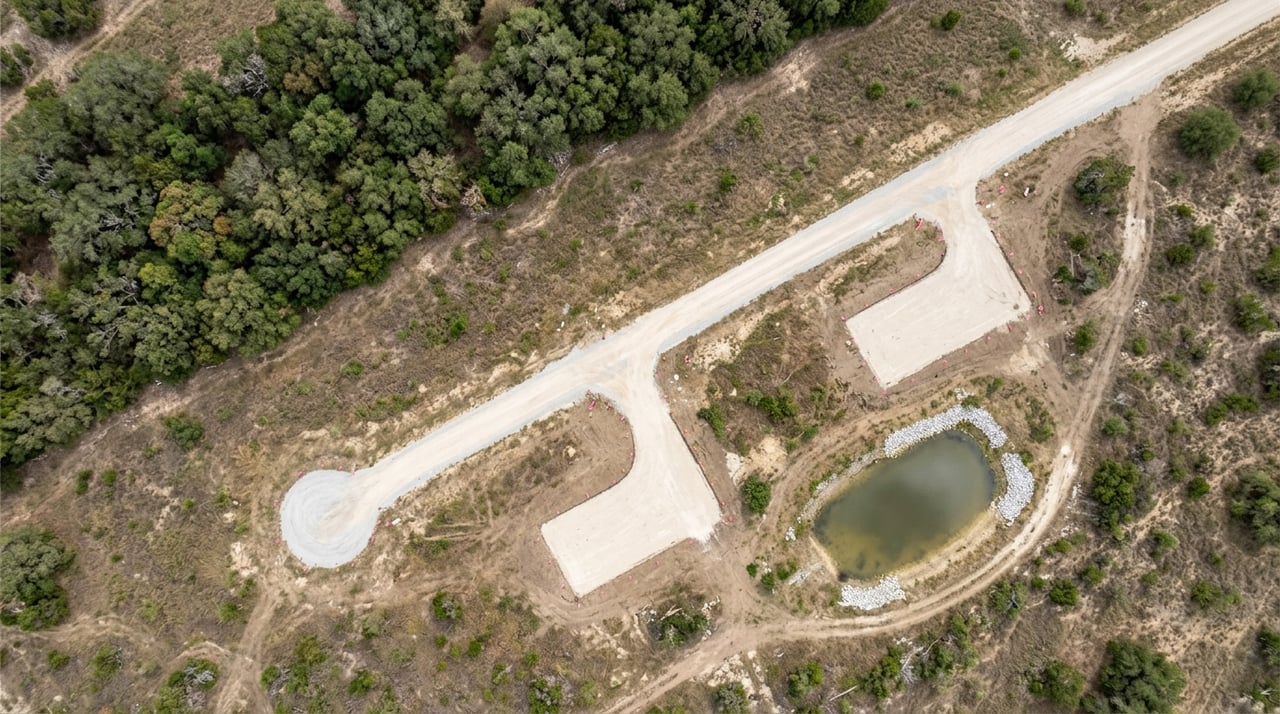
Trying to split or plat land in Bertram without checking feasibility first can cost you time, money, and lot yield. If you own acreage in or around Bertram, you may be wondering whether your tract needs a full plat, whether the city ETJ applies, or whether septic, access, and floodplain issues could change your plan. This guide walks you through the key feasibility and platting steps for Bertram landowners so you can make better decisions before investing in engineering and filing costs. Let’s dive in.
Start With Jurisdiction
Your first step is to confirm whether your land is inside Bertram city limits, inside Bertram’s ETJ, or only in unincorporated Burnet County. That matters because Bertram’s subdivision rules apply within the city and ETJ, while Burnet County regulates land outside municipal limits. If your tract is in the ETJ, Texas plat approval rules reflected in Bertram’s ordinance mean the plat cannot be filed with the county clerk without approval from both the city and the county.
Burnet County also states that when both city and county rules apply, the stricter standard controls. The county further notes that the County Clerk will require written proof of municipal exemption to be filed with the record plat when ETJ approval is involved. This is why jurisdiction is not just a paperwork detail. It shapes the entire approval path.
Check Whether Your Split Is Exempt
Not every land division requires the full platting process. Both the city and county carve out exemptions for certain simple divisions, so one of the smartest early steps is to verify whether your tract qualifies before paying for a full engineering package. Bertram’s and Burnet County’s regulations make this an important first screen.
This is especially relevant if you are planning a limited split for family, resale, or a small homesite strategy. A quick exemption review can help you avoid over-designing a project that may not need the standard subdivision route. It can also reveal early if your plan is more complex than it looks.
Focus on Feasibility Before Platting
In Bertram and the surrounding Burnet County area, platting is only one part of the process. Real feasibility usually comes down to whether your proposed lots can function legally and physically. According to Burnet County’s subdivision guidance, owners should review the latest survey and a conceptual drawing early, ideally with a registered professional land surveyor familiar with state and local platting law.
The biggest feasibility questions usually fall into four categories:
- Legal access and road design
- Drainage and floodplain constraints
- Water and wastewater service
- Septic feasibility on each proposed lot
If one of those items does not work, your lot count or layout may need to change. That is why due diligence should happen before you treat a concept sketch like a final plan.
Review Access and Road Requirements
Access is often one of the first issues that affects lot yield. You need to determine whether your project requires a new public street, whether roads can remain private, and whether any private road design can meet county standards. Burnet County’s subdivision regulations also tie private roads to recorded HOA-document requirements.
That means a road decision is not only an engineering question. It can affect legal documents, maintenance obligations, and future marketability. A layout that looks efficient on paper may become more expensive if roadway improvements or related documents are required.
Confirm Water, Sewer, or Septic Options
Utility planning is another major part of feasibility. Before moving too far into plat design, you should confirm water availability, sewer access if applicable, or whether each lot can support an on-site sewage facility. Burnet County regulations make utility and wastewater review part of the subdivision process.
If your subdivision will rely on septic, the Texas Commission on Environmental Quality explains that OSSFs must be based on a site evaluation and permits are required before construction, installation, repair, extension, or alteration. Burnet County also notes that a 9-1-1 address is needed before permits, and a building permit is required before a septic or OSSF permit. In practical terms, septic feasibility can directly affect whether your lot layout works.
Identify Floodplain Constraints Early
Floodplain issues can reduce buildable area, affect road design, and change where improvements can go. Both city and county plat standards require floodplain information, and Burnet County requires development permits in floodplains. The county’s floodplain information page also notes a 1-foot freeboard standard for new construction.
This is why flood hazard mapping should be part of your early feasibility review, not a last-minute check. If floodplain crosses key building areas or access points, your concept plan may need to be revised before it is ready for filing.
Use a Current Survey and Concept Plan
A current survey is one of the most important project documents for Bertram-area landowners. Burnet County specifically recommends a site review and development meeting using the latest survey and a conceptual drawing. The county also advises working with a registered professional land surveyor familiar with local platting law.
This early package helps identify issues with boundaries, existing easements, road frontage, and lot layout before formal review starts. It also gives you a more reliable basis for conversations about exemptions, variances, drainage, utilities, and access.
Burnet County Approval Steps
If your tract is in unincorporated Burnet County, the county’s process generally starts with a site review and development meeting. From there, the approval sequence typically moves through preliminary plat application, preliminary approval, final approval, and recordation. Burnet County’s subdivision regulations outline this order.
The preliminary packet must be filed 30 days before the hearing. Burnet County aims to take final action within 60 days of a completed application, and if your filing is incomplete, the county must send a deficiency notice within 10 business days. That timeline sounds efficient, but complete submissions are what keep projects moving.
The county also requires supporting items such as:
- Three black-line copies of the preliminary plat
- Application fee
- Paid tax certificate
- County application form
- Other required documents or bonds
The preliminary plat must be prepared by a licensed engineer or licensed land surveyor in Texas. The final recorded plat must be filed with the county clerk, and an electronic copy must also go to the 911 coordinator.
Bertram City and ETJ Approval Steps
If your tract is inside Bertram city limits or the ETJ, the process is more layered. Bertram’s ordinance describes a standard sequence of concept plan, preliminary plat, construction plans, and final plat. The city’s subdivision procedures state that concept plans are submitted 30 days before the commission meeting, and lack of action within 30 days can count as approval.
A preliminary plat is not the same as final approval. In Bertram, a preliminary plat expires after 12 months unless a final plat is filed or an extension is granted. The city also requires any requested variance to be raised at the preliminary stage, and the tract’s zoning must already allow the proposed use, or any needed zoning amendment must be adopted before plat approval.
Construction plans are based on the approved preliminary plat, and the final plat cannot be approved until the construction plans are approved. Once the final plat is approved, the city requires recordation within 12 months. Required public improvements must begin within six months or the approval becomes void.
When a Short Form Final Plat May Work
Some smaller projects in Bertram may qualify for a simpler route. The city allows a short form final plat in certain cases, including subdivisions creating no more than two new lots that do not need a new public street and do not require off-site infrastructure or drainage improvements. Bertram’s ordinance says that route can skip preliminary plat and construction plan approval.
That said, the city can still require the standard process if the project conflicts with city plans or ordinances. If you are considering a two-lot split, this is one of the first questions worth checking. A short form route can save time, but only if your tract clearly fits the criteria.
Documents That Often Drive Cost
A large share of your timeline and budget comes from the support documents, not just the plat map itself. Based on Burnet County’s checklist and related regulations, common cost drivers include:
- Current survey and legal description
- Tax certificate
- Engineer or surveyor seals
- Lot area calculations
- Topographic and drainage information
- Flood hazard mapping
- Street and easement layout
- Utility availability letters
- Restrictive covenants
- Variance requests
These items often determine whether a submission is complete enough to move through review without delays. Missing utility letters, unresolved drainage questions, or incomplete variance requests are common friction points.
Avoid Starting Work Too Early
It can be tempting to start clearing or site work while approvals are moving. In Bertram, that can create problems. The city states that no excavation or clearing, and no public or private improvement construction, should begin until the City Engineer approves the plans and specifications, according to the city ordinance.
Burnet County also will not issue OSSF or development permits unless the parcel complies with county subdivision and OSSF rules. Starting too early can lead to added cost and rework if your approved layout changes.
A Practical Bertram Feasibility Checklist
Before you move into formal platting, it helps to pressure-test the project with a simple checklist:
- Confirm whether the tract is in Bertram city limits, the ETJ, or unincorporated Burnet County
- Check whether the proposed split may be exempt from the full platting process
- Order or update the survey
- Prepare a conceptual lot layout
- Review access, road type, and frontage needs
- Confirm water, sewer, or septic feasibility
- Identify any floodplain constraints
- Gather tax and title-related support documents
- Determine whether any variance may be needed
- Match the project to the correct city or county approval path
This kind of early review helps you understand whether the property can support your target lot plan. It also helps reduce surprises later in the filing process.
If you want to understand the path for your Bertram-area acreage, Land Homes Texas can help you evaluate feasibility, platting coordination, and next steps with a practical, project-focused approach.
FAQs
What platting jurisdiction applies to land near Bertram?
- It depends on whether your tract is inside Bertram city limits, in Bertram’s ETJ, or in unincorporated Burnet County. ETJ properties may require both city and county approval before a plat can be filed.
What should Bertram landowners review before paying for a full plat?
- You should first check jurisdiction, possible exemptions, legal access, road requirements, floodplain constraints, utility availability, septic feasibility, and whether you have a current survey and concept plan.
Can a two-lot split in Bertram use a short form final plat?
- In some cases, yes. Bertram allows a short form final plat for certain subdivisions creating no more than two new lots that do not require a new public street or off-site infrastructure or drainage improvements.
What documents commonly affect platting cost in Burnet County?
- Common cost drivers include the survey, legal description, tax certificate, drainage and topographic information, flood hazard mapping, easement and street layout, utility letters, restrictive covenants, and any variance requests.
How does septic feasibility affect lot planning in Bertram and Burnet County?
- If lots will rely on septic, each lot needs to be evaluated for OSSF feasibility. Site conditions and permitting requirements can limit lot layout or reduce the number of workable lots.
Why should Bertram landowners avoid clearing land before plat approval?
- Bertram restricts excavation, clearing, and improvement construction until plans and specifications are approved by the City Engineer, and county permits also depend on subdivision and OSSF compliance.